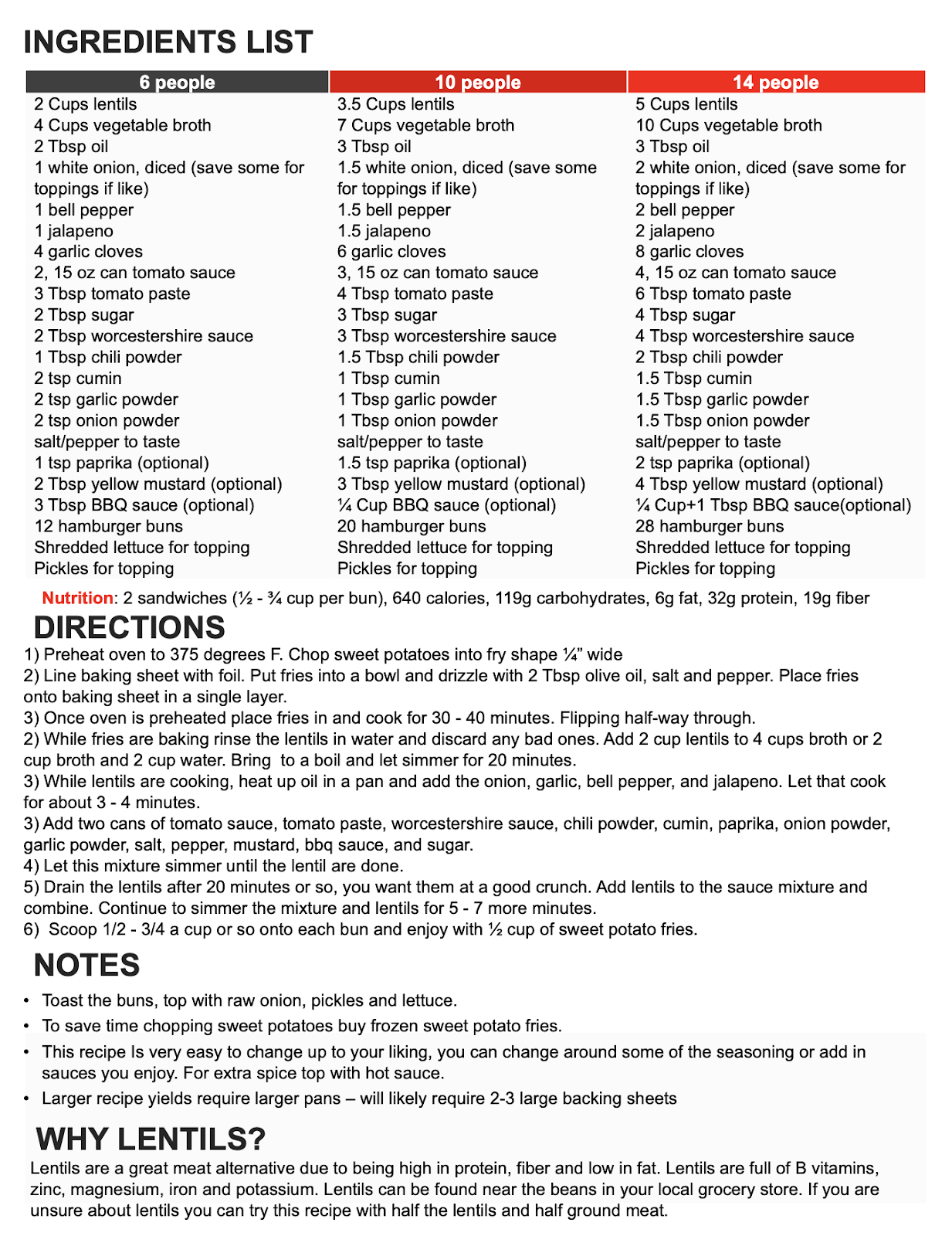
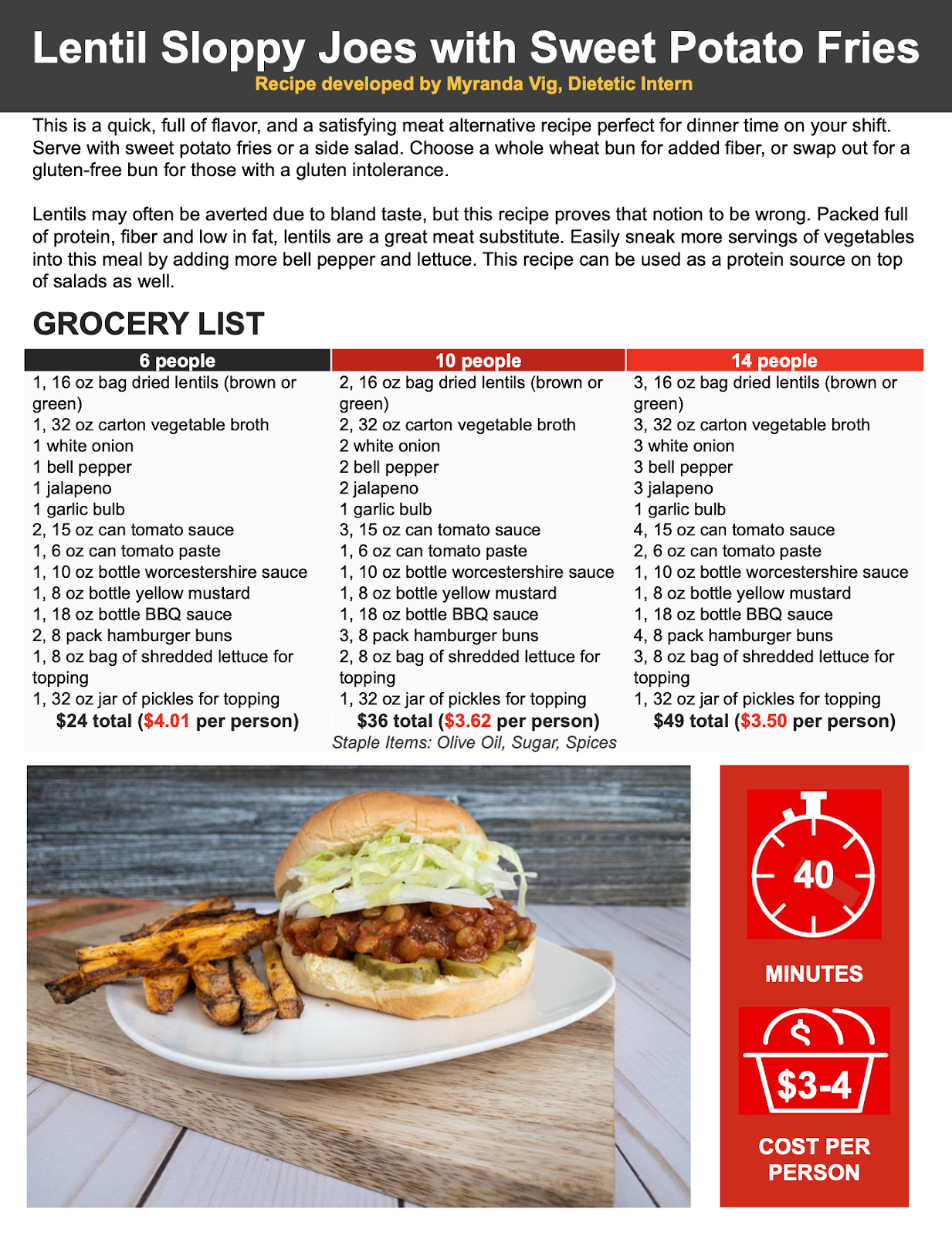
When thinking about my future as a dietetic intern, I thought my days would be consumed with rotations that offered me a variety of experience in developing my skills in areas of clinical, community and food service. Never did I realize all the experience I would gain in a program with a technology emphasis. Throughout the internship, there have been technology class days that focus on recipe development, food photography, nutrition informatics, social media content, personal branding, website development, visual media and photo editing. One of the first big projects in the internship was creating a recipe to be used in a recipe e-book for firefighters. We were to develop a recipe, price it out to meet a budget, and provide a grocery list. When first assigned this project I was very nervous about how I would come up with an appetizing recipe to meet the needs of firefighters.
I first began by thinking of a staple dish we all love and how I could make it more nutritious to supply these essential workers with a fueling meal. I kept being brought back to my favorite meal as a child, a sloppy joe. On the nights I knew my family was making this dish for dinner I could not wait to come home from school to enjoy it. This is it, this is the dish I want to perfect.
Lentil Sloppy Joe
Now that I have the dish decided, I next need to figure out how to add more nutrients to the meal. I decided to make the base from lentils and add bell peppers. Lentils are often thought of as being bland, but are packed full of fiber, protein, and vitamins. I thought of all my favorite ingredients in this meal and got to the kitchen to start working on my recipe. Once I perfected my recipe I moved on to photographing the meal using tips we’ve learned in class. I had some background drops I used to add focus to the dish. I photographed the meal while it was cold to ensure the lentil mixture would be easy to modify. Then, I topped off the mixture with shredded lettuce, pickles, and onions to add flavor and color to the dish. I paired the dish with sweet potato fries or an oppositional side salad. I took the photo straight on to capture the layers and texture of the meal.
After capturing photos of the meal, I moved on to compiling all of the ingredients and calculating the cost. The recipe needs to be within budget and feed 6 – 14 people. I completed my grocery list and calculated the cost per individual; then it was time to calculate the nutrition facts and format the recipe to be included in the e-book. Each recipe needed a short description, grocery list, picture, time to cook, ingredient list, nutrition facts, directions, notes, and to give reasoning why an ingredient or the dish was chosen. I started my recipe with a description of the dish and lentils and their benefits, then moved down the checklist of all the requirements.
I had so much fun working on this assignment. From creating the recipe, capturing the dish, compiling all the ingredients, and formatting. Having the opportunity to learn more in-depth about recipe development, food photography, social media content and website development has deepened my technology and personal branding skills. I’m so excited to use these skills in my future as a dietitian.
Prior to beginning my pediatric rotation at Children’s National Medical Center, I was warned that pediatrics is an entirely different world than general clinical dietetics. Reflecting back on my 2-week rotation, boy were they right! This rotation was my first hands-on experience with pediatric dietetics. I quickly learned that pediatrics has an entirely different way of doing things when it comes to calculations. I had to relearn Ideal Body Weight equations, fluid equations, calorie per kilogram ranges, and recommended grams of protein per kilogram. In addition, this rotation was also my first experience with a diabetes dietitian. I really enjoyed my rotation and learned all about the process a patient and family will go through when diagnosed with diabetes.
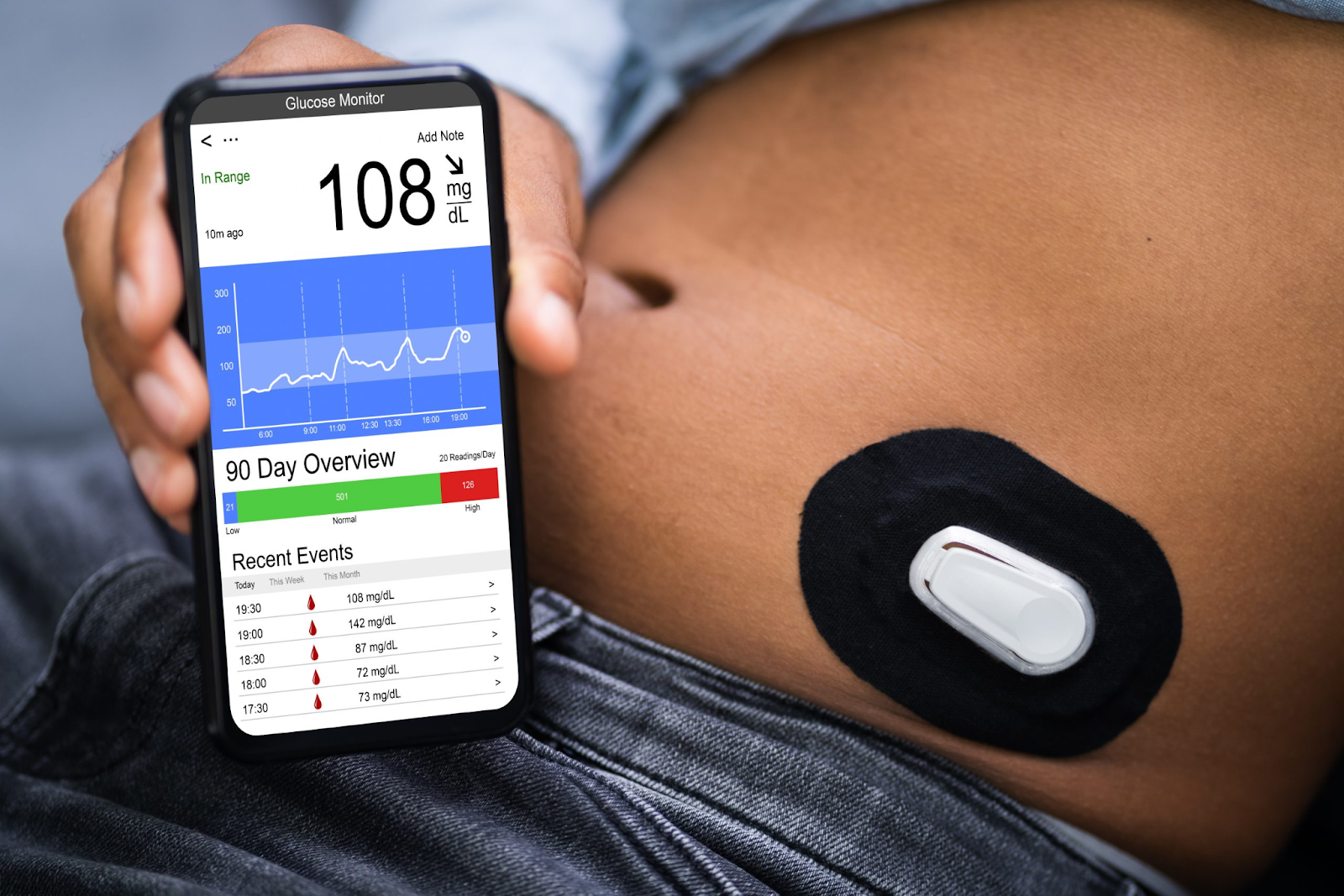
Patients with undiagnosed diabetes may be admitted to the hospital due to symptoms of hyperglycemia or diabetic ketoacidosis. Once the diabetes diagnosis is confirmed, a full day of education ensues. The diabetes team will look at the patient’s labs and work with the patient and family to determine a plan of care. The diabetes team consists of a physician, Certified Diabetes Care and Education Specialist, a dietitian, and a social worker. The education typically begins with a Certified Diabetes Care and Education Specialist. They will educate for about 2-3 hours and go over the basics of what diabetes is, what insulin is, how insulin works, and what their medication regimen will look like. The dietitian then begins providing education, which can take about 1-1.5 hours. This session will consist of determining what the patient’s diet looks like, teaching about the food groups, what foods consist of carbohydrates, what kinds of foods are important to have at each meal, and the timing of meals. One of the most important tips, my preceptor told me, is to have patients keep a scheduled eating routine. This helps with managing insulin regimens and stabilizing blood sugar levels. I also learned the importance of measuring food. Guessing how many carbohydrates are in a meal can be difficult and often leads to poor blood sugar control. This is a long day for the patient and family. They are dealing with the shock of a new medical diagnosis as well as an overload of new information. Luckily, patients and families continue to have support from the diabetes team after discharge. Parents are instructed to call each day following discharge to report blood sugar levels. This allows the team to see how the patient is doing and provide feedback. If a patient has a continuous glucose monitor blood sugar levels can be automatically sent to the team at Children’s.
Patients and families continue to come back to the hospital on an outpatient basis. They schedule appointments to see all the members of the diabetes team. At these appointments, the dietitian can get a picture of how well the patient feels they are doing, what their blood sugars generally look like, and what their diet looks like. The dietitian can then tailor education to their current needs and make health goals with the patient and family.
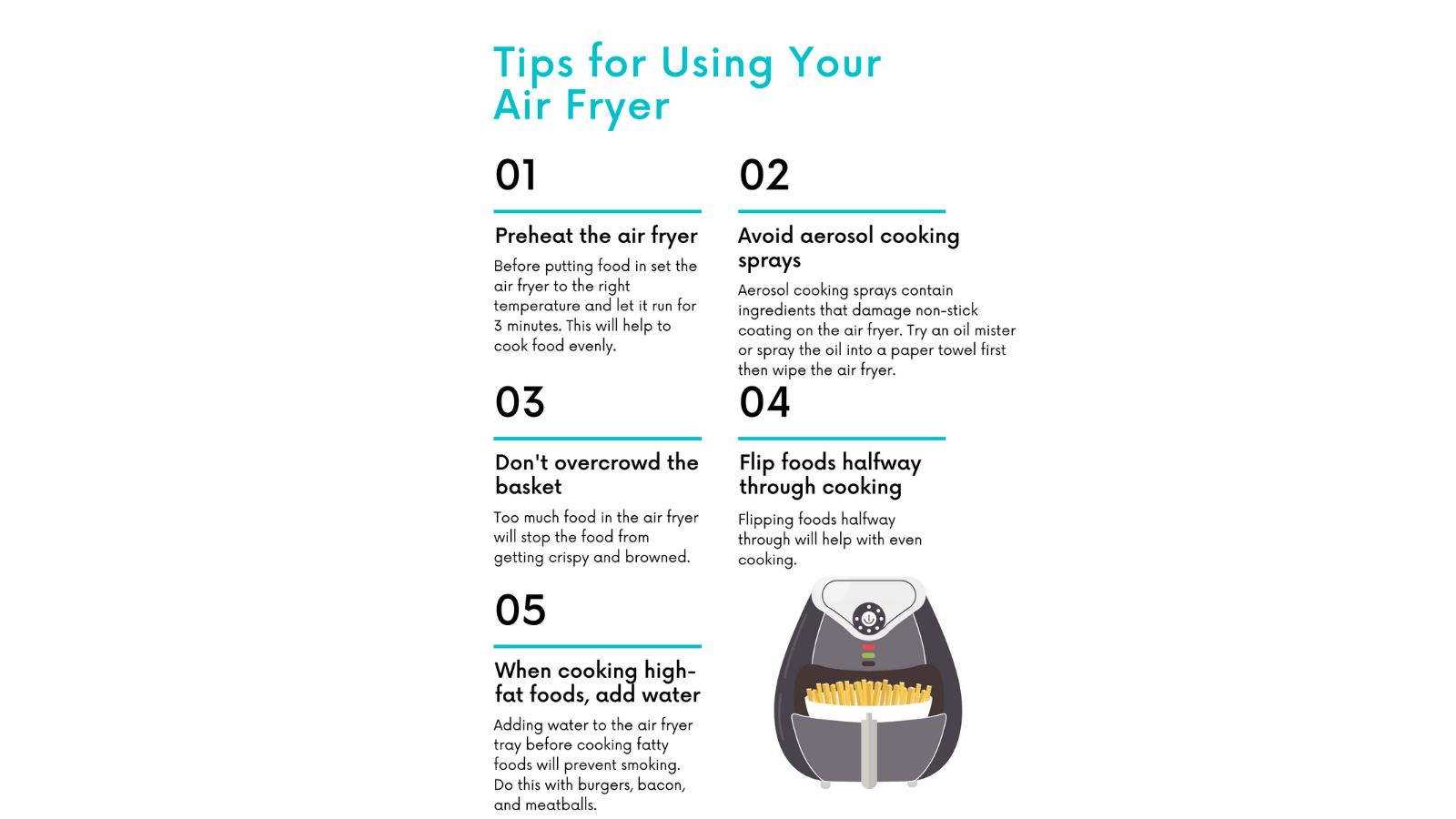
Outpatient counseling can consist of general healthy eating tips. I learned to recommend that the entire family eat the way the dietitian recommends so the patient does not feel left out or that they have to eat a “special” diet. The goal is to make sure the patient still feels normal. So, some common topics during an outpatient setting could include tasty ways to cook and season vegetables, how to use an air fryer, and easy carbohydrate-free snacks.
One of the most important tips I learned was tailoring education to the audience. Patients come from a wide range of backgrounds with varying levels of nutrition and diabetes knowledge. Diabetes may run in a patient’s family so the parents are very familiar with the diet education. In that case, education can be focused on areas they need the most help with. Comparatively, patients and families unfamiliar with diabetes may need more time focused on the basics.
This rotation exposed me to many different areas of clinical dietetics, including pediatrics, inpatient and outpatient diabetes, and general wellness counseling. I learned about the process a patient and family will go through when diagnosed with diabetes. In addition, I learned how to assess the educational needs of my patients and their families and gear each session to their needs.
For those who are about to undergo bariatric surgery, there is a lot to consider. It’s a procedure that typically reduces a patient’s risk of potentially life-threatening weight-related health problems, but patients must be willing to make permanent changes to lead a healthier lifestyle. People who have struggled with weight loss may turn to bariatric surgery to either limit how much they can eat or reduce nutrient absorption. The treatment plan doesn’t end after the surgery is complete. Patients are encouraged by their medical team to view this as a lifestyle change.
A recent rotation at the INOVA weight loss (bariatric) surgery clinic allowed me to observe a dietitian who helps keep patients on track before and after bariatric surgery. Here I was able to learn how dietitians help patients improve their health and reach their weight loss goals. While there is a lot of counseling and dietary changes prior to surgery, I want to share what I learned about counseling post-op patients. They begin on a 3-week liquid diet, transitioning into a 6 week “mushy” foods diet, and then advance to regular, everyday foods. Although many elements contribute to successful outcomes in the bariatric setting, four major points were covered at every post-op visit to ensure patients were safely meeting their goals. These include protein intake, optimal hydration, vitamins, and maintenance.
Protein is a key part of post-op bariatric nutrition. After surgery, every patient’s protein needs vary. Post-op food portions are normally around 2-4 oz per meal. This makes it difficult for patients to eat enough protein. Protein is necessary for maintaining and building muscle, hormones, and enzymes. As my preceptor explained, this is where advising patients on lean protein food sources, protein supplements, and shakes comes into play. In the first few months after bariatric surgery, most patients need protein supplements. I learned how to educate patients on protein supplements and how they can increase their protein intake from food. Once they recover from the surgery and are able to eat enough protein-rich food, they are able to reduce or even eliminate the supplements.
Drinking fluids slowly and keeping up with hydration is the next piece to successful outcomes. I learned to encourage patients to sip on fluids all day long, as it can be difficult to drink normally after surgery. Water helps our bodies do some very important jobs. The dietitian recommends patients drink around 64 oz per day. This is an estimate as fluid needs are individualized case by case. She suggested patients drink water, crystal light, decaf coffee and tea, low sodium broths, low-calorie sports drinks, and protein drinks. I learned patients should avoid drinks such as carbonated beverages, alcohol, sweetened coffee drinks, juices, and sweet tea, as these drinks have the potential to cause feelings of nausea or pain.
“Vitamins are for life,” the dietitian told her patients during their post-op-visits. This is important because weight loss surgeries require small meal portions. This changes the digestion and nutrient absorption of foods, increasing the potential of having nutrient deficiencies. The dietitian works closely with the other members of the healthcare team to monitor the patient’s vitamin and mineral levels. My preceptor looks for signs of deficiencies and at blood work results so she can advise her patients on which vitamins they need. Some will be permanent, some will be temporary. Common bariatric supplements include a complete multivitamin/mineral, Vitamin B-50 Complex, Vitamin B-12, Vitamin D, calcium, and iron.
The dietitian’s role in maintenance includes follow-ups, nutrition classes, encouragement, and monitoring for potential post-op complications. Patients are encouraged to participate in physical activity, monitor any unusual symptoms, drink lots of water, eat nutritious foods and seek help when necessary. I learned that it is necessary for RDs to remind patients that this is their new lifestyle, and following this will help them live their most healthy, confident lives.
Although success after bariatric surgery is a multifaceted approach, it can be attained by the help of healthcare providers, encouragement, and diligence of a patient. I am thankful to have had the opportunity to rotate at a clinic that aims to better people’s lives by helping them make healthy choices. This rotation highlighted the positive impact dietitians can bring to the table.
One of the highlights of my 10-week clinical rotation at the University of Maryland Baltimore Washington Medical Center was spending two weeks in the Intensive Care Unit (ICU) with my preceptor, Amy Hurd, RDN. The ICU is unique because compared to the rest of the hospital they handle extreme cases of tube feeding, which allowed me to explore a more complex yet intriguing part of the field. It’s an ever-changing and fast-paced environment, so I had to learn to be quick on my feet. Here are a few of the many things I learned about the important work of an ICU dietitian and how I grew through these new learning experiences.
As I began my first day in the ICU, I was nervous; I wasn’t sure if I would remember enough from my medical nutrition therapy class. Amy, like the other preceptors I had during my clinical rotation, pushed and challenged me, which helped me build confidence in myself as I was taking on more clients in the ICU . I’ve always loved the quote “teamwork makes the dreamwork” and this is exactly what I saw in the ICU. Every morning we started by rounding on the floor with the entire interdisciplinary treatment team. This includes physicians, pharmacists, nurses, social workers, and occasionally surgeons. During rounds the treatment team huddles near each patient’s room and discusses openly about how to best care for the patient. On the first day, Amy told me to pack a snack for rounds, and she was right because rounds would last up to three or more hours because of how thorough they were with each patient and listening to everyone’s input. It is such a collaborative environment in the ICU and everyone was approachable and helpful in answering questions from others.
After rounds, we began visiting all of our patients. It was common for Amy to have a new census of patients from day to day because patients may not stay in the ICU for a long period of time. At first, I was anxious because I was not used to interviewing patients that were critically ill and being tube fed. As I observed Amy, I noticed her compassionate approach and how she spoke with all of her patients, even if they were unable to talk back due to their acute disease state. She taught me that engagement with patients is what makes an impactful dietitian. You have to have the desire to go the extra mile for your patients, even if that means you have to spend twice as long with a patient as you planned.
Once we visited all the patients, we began charting for each patient. The ICU is unique because unlike the rest of the hospital, they handle extreme cases of tube feeding and a lot of the patients are intubated. Therefore, in the ICU there is more math than diet education. We had to take account of labs, disease state, height/weight history, medications, bowel function, and nutritional needs when deciding what form of nutrition intervention the patient needed. Then calculating each patient’s nutritional requirements and comparing them to what nutrition they’re receiving. At first, I was rusty but with practice, I became confident with my recommendations for tube feeding. It was rewarding that after only a few days in the ICU, the nurse practitioner came to me for my input on what tube feeding formula I would recommend for a patient.
All of my hard work was paying off and I felt welcomed in the ICU! Every day I met several ICU team members and learned something new from each of them. I was able to meet the ICU speech pathologist and observe her doing a bedside swallow exam on a patient. This was helpful because I was able to understand more clearly how they diagnose dysphagia diets and how they work with registered dietitians. Another one of my favorite experiences in the ICU was being able to observe a bronchoscopy procedure for one of my patients. I was alongside a PA student and PT student as the doctor explained the procedure and answered our questions. It was a great feeling when I noticed how all of the health professionals were always willing to teach one another and were easy to approach for advice.
As I reflect on my experience, I learned many skills that I will carry with me into my future career. One that will always stick with me is that to be a successful dietitian you have to be a successful team member. This means being able to actively listen, ask questions, communicate, bring positivity and look at situations from different perspectives. Working together as a team is important when taking care of patients because everyone has their strengths and knowledge to help make the best care plan. In my future career, I will take this skill with me and will remember to not hesitate to seek advice from other health professionals. I greatly value all the advice and skills I took away from my clinical experience.
I learned so much practical information by reviewing the literature for best practices and current research. I have summarized my findings into six main points:
Remove the focus on weight
Avoid moralizing food
Consider the learning development and age appropriateness
Avoid restriction and coercion
Involve the family and divide the responsibility
Ensure adequate duration
Removing the focus on weight
Children experience body changes and a large amount of growth throughout their development. This growth does not look the same for everyone. Interventions focused on weight have the potential to cause unhealthy comparisons, compensatory behaviors, weight stigmatization, and disordered eating. Boutelle’s study showed that overweight adolescents are more likely than their peers to abuse laxatives or use exercise or vomiting to make up for binging. Instead of discussing and focusing on weight, interventions should be focused on knowledge acquisition and changing behaviors (such as being less sedentary), and weight is not a behavior. In one meta-analysis, interventions that focused on behaviors and knowledge rather than weight, and included education geared towards positive body image and self-esteem showed greater success when compared to weight-targeted interventions.
Avoiding moralization of food
A common theme when educating children about nutrition is to focus on “good” vs “bad” foods. Categorizing foods as either good or bad creates shame around eating certain foods, and a feeling of pride when eating other foods. This can promote disordered eating behaviors. Most adolescents who develop an eating disorder were not previously overweight, however, it is not unusual for an eating disorder to begin with a teenager “trying to eat healthy.” Adolescents and their parents may misinterpret obesity prevention messages and begin eliminating foods they consider bad or unhealthy. Instead of moralizing food, using an all-foods-fit model keeps the tone positive. Educating on the benefits of certain foods rather than the drawbacks of other foods creates a more positive relationship with food. It is very important to avoid creating fear and guilt surrounding food.
Considering the learning development and age
Cognitive development theory (CDT) suggests that chronological age has a major influence on a child’s ability to categorize, generalize, and think causally. It is not until the formal operational stage, ages 11 to adulthood, that children think more abstractly. This is important to keep in mind when curating nutrition education messages. Many nutrition messages are extremely abstract – ideas such as lower fat and lower sodium are difficult for children to interpret. Telling children some foods are OK in moderation may not be interpreted the same way as it is with adults. Because children think literally, they may think, “If I eat a ‘bad’ food, I’m bad.” Based on this research, I will assess nutrition messaging on portion sizes, red light/green light foods, healthy vs unhealthy foods, and how the food affects the body to determine if it is appropriate for each client or audience. Appropriate nutritional messages for young children could relate to how food is grown, eating a variety of foods, gardening and cooking.
Avoiding restriction and rewards
Restriction may lead to feelings of deprivation and an increased craving for the specific foods being restricted. Restricting intake or suggesting to restrict intake in the form of dieting has been shown to actually cause an increase of weight gain in the long-term, and does not offer lasting weight loss or health benefits. We want to encourage kids to listen to their internal hunger/fullness cues rather than restrict their eating to fit guidelines. Similarly, coercing or offering rewards for foods also teaches children to ignore their internal cues. Making eating time a game with rewards and/or punishments may create stigmas around eating and can lead to further problems down the line when these children grow up and are in charge of their own food choices.
Involving the family & dividing the responsibility
Children learn a lot from the people around them, and this is especially true for eating behaviors. Caregivers and family model eating behaviors every day. It is imperative to involve them in nutrition interventions, so that they can reinforce new behaviors. Studies show involving the family in the treatment of both obesity and eating disorders is more effective than focusing solely on the child or adolescent. Engaging caregivers in classes or health fairs, especially when they bring their kiddos with them for cooking, tasting, or nutrition education sessions, is both fun and effective. Another meta-analysis found similar results, concluding that interventions that provide skills and behavior change strategies aimed at parents were associated with healthier preschool children. While providing education to a food secure family, I think it is important to discuss the division of responsibility. In Ellyn Satter’s “Division of Responsibility,” the main point is that in order to help and not harm children, parents and/or caregivers must make providing food for the family a priority, because restricted eating is detrimental to children, and dieting does not work.In this theory, the parent/caregiver is responsible for what, when, and where the child will eat, and the child is responsible for how much and whether to eat the food provided. This prevents power struggles between caregiver and child. Power struggles during meal times can produce unhealthy eating habits and harm the child’s self-esteem and ability to achieve self-mastery and autonomy. Sharing tips for making meal time ‘struggle free’ and calm may help families build healthy eating habits.
Ensuring adequate duration
Behavior change is a complex process that includes both learning new behaviors and unlearning old ones. This process takes time, therefore adequate duration is an important factor when planning nutrition education and interventions. This includes both dosage and frequency of int. Studies suggest that sessions that last between 30 and 60 minutes long and that are either weekly or biweekly may show significant improvements of nutrition knowledge and healthy eating behaviors. Proper evaluation tools such as questionnaires or quizzes can help gauge whether or not the intervention was an appropriate duration. Evaluation measures should be targeted towards behavior change and knowledge acquisition rather than weight or other numbers.
Conclusion
I learned that developing nutrition education that is age-appropriate and positively worded can lead to better outcomes and help curate a positive eating environment while preventing disordered eating behaviors. Additionally, involving the caregivers and families has been shown to improve outcomes in nutrition interventions. If able, utilizing the division of responsibility can better help children develop into intuitive eaters who have a healthy relationship with food. Avoiding moralizing food and restricting food and/or rewarding food-related behaviors is an important concept for professionals to understand. I believe these concepts will help me develop nutrition education materials that focus on positive food experiences rather than creating a good vs bad mentality.